
Search engine optimization (SEO) is the work of making your website easy for search engines to understand and worth recommending to people. For a business in Jordan it has a few extra layers: customers search in Arabic and English, many searches are local, and a large share of traffic comes from phones. This guide explains how SEO works and what to do, step by step.
Key takeaways
- SEO has four parts: technical health, content, authority and local signals.
- Research keywords in both Arabic and English; they are different searches, not translations.
- One page should target one main topic. Do not stuff everything on the home page.
- Results take time. Measure, publish consistently and improve.
1. How search engines work in one minute
Search engines crawl pages by following links, index what they find, and rank pages for a query using hundreds of signals, with relevance and quality at the center. Your job is to make crawling easy, make each page clearly relevant to a topic, and demonstrate that the page is useful and trustworthy.
2. Keyword research for Arabic and English
Start from your customers, not from tools. List what you sell and the problems you solve, then check how people phrase it. Arabic searchers may write in Modern Standard Arabic, in a local dialect, or in English letters, so check all three.
- Use Google Search Console, Google autocomplete, "People also ask" and related searches to find real phrases.
- Group keywords by intent: informational ("what is..."), commercial ("best company for..."), and transactional ("order", "contact").
- Map each group to one page. If two pages target the same phrase, they compete with each other.
3. On-page SEO: the essentials
For each important page:
- Title tag: include the main keyword, keep it around 50 to 60 characters, and make it read well to a human.
- Meta description: 120 to 160 characters that promise what the page delivers. It does not directly rank you, but it improves clicks.
- One H1 that states the topic, then H2 and H3 headings for sub-topics.
- Content that answers the question completely, written for people first.
- Internal links to related pages with descriptive anchor text.
- Images compressed, sized correctly, with meaningful alt text.
4. Technical SEO
Technical problems can keep good content from ranking. Check these first:
- The site loads over HTTPS and every page returns the right status code.
- A sitemap.xml is submitted in Google Search Console and robots.txt does not block important pages.
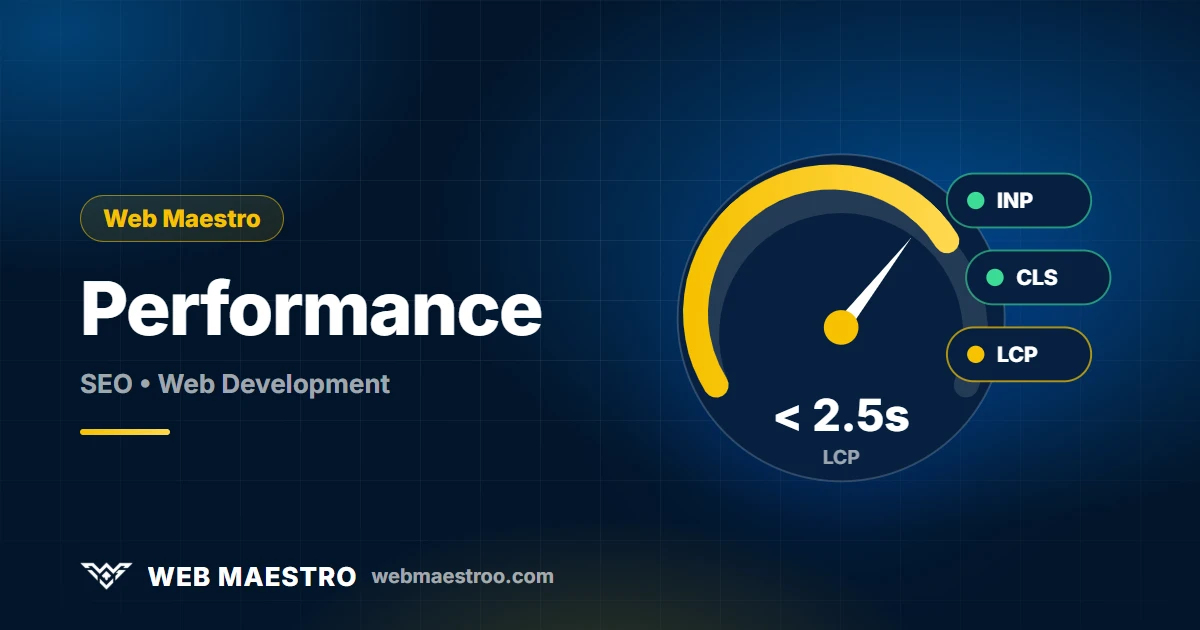
- Pages pass Core Web Vitals on mobile. See our guide to website speed.
- Canonical tags prevent duplicate-content confusion.
- Arabic and English versions are linked with hreflang so Google serves the right language.
- Structured data (JSON-LD) is valid and matches the visible content.
5. Content that earns rankings
Publish content that is more useful than what already ranks. A good article states the answer early, uses clear headings, includes examples from your own experience, and ends with a clear next step. Update older articles when information changes. Do not publish thin pages, copy other sites, or generate large volumes of text without editing; quality is what compounds.
6. Authority: links and mentions
Search engines treat links from reputable, relevant sites as a vote of confidence. Earn them by creating useful resources, being listed in genuine business directories, getting featured by local publications and partners, and sharing real case studies. Avoid buying links or joining link schemes; they put your site at risk.
7. Local SEO for Jordanian businesses
If you serve customers in a city, your Google Business Profile often matters as much as your website. Keep your name, address and phone number identical everywhere, choose accurate categories, add photos, and ask real customers for honest reviews. We explain this fully in our guide to local SEO and Google Business Profile.
8. Measure what matters
Connect Google Search Console and an analytics tool. Watch impressions, clicks, average position for your target queries, and most importantly the actions that matter to the business: calls, form submissions and orders. Review monthly, double down on pages that are improving, and fix pages that have impressions but few clicks by rewriting their titles and descriptions.
9. Example: how to structure a service page
A service page is where search traffic turns into enquiries, so it deserves a clear structure. A reliable layout looks like this:
- H1 and intro: name the service and the audience in the first two sentences, using the phrase customers actually search for.
- What is included: a short list of deliverables in plain language.
- How it works: three to five steps from first call to delivery.
- Proof: real projects, results you can verify, and tools or standards you follow.
- Questions and answers: the objections people raise before they contact you.
- Next step: one clear button, such as contacting you on WhatsApp or sending a request.
Link from this page to related services and relevant articles, and link back from those articles to the page. This builds a cluster around one topic that search engines can follow easily.
10. Understanding search intent
Google tries to give people what they were looking for, so a page ranks only if its type matches the intent. Someone searching "what is technical SEO" wants an explanation, so an article fits. Someone searching "SEO company in Amman" wants to compare providers, so a service page fits. Before writing, search your target phrase and study the first page: are the results guides, lists, product pages or maps? Match the format, then make yours more complete, clearer and better organized. If the results are all maps, a blog post will not win that query no matter how long it is.
11. SEO myths to ignore
- "Meta keywords help ranking." Google does not use the meta keywords tag.
- "More words always rank better." Length is not a goal. Completeness is. Stop when the question is fully answered.
- "Repeating the keyword many times works." Keyword stuffing makes text worse and can hurt you. Write naturally and use related terms.
- "SEO is a one-time job." Competitors, search behavior and algorithms change, so it needs steady attention.
- "Anyone can guarantee first place." No one controls Google. Treat such promises as a warning sign.
12. Free tools worth using
- Google Search Console: shows the queries you appear for, clicks, indexing problems and Core Web Vitals.
- Bing Webmaster Tools: useful for Bing and for a second view of indexing.
- PageSpeed Insights and Lighthouse: performance, accessibility and best-practice checks.
- Google Trends: compare how interest in terms changes over time and by region.
- Google Analytics or a privacy-friendly alternative: see which pages lead to actions.
13. Keep content fresh and avoid competing with yourself
Once you have several articles, review them every few months. Update facts, add new examples, and improve titles for pages that get impressions but few clicks. Watch for keyword cannibalization, where two of your pages target the same query and split the signals. If that happens, merge them into one stronger page and redirect the old address, or refocus each page on a distinct intent.
14. Writing titles and descriptions that get clicked
Rankings only help if people click. A good title states the topic plainly, puts the main phrase near the start and adds a reason to choose the result, such as "complete guide", "step by step" or a clear benefit. Avoid vague titles like "Home" or "Services", and never repeat the same title on several pages. A good description reads like a promise: it says what the visitor will learn or get, in natural language, and ends with a gentle invitation. Google may rewrite either one to match the query, so make sure the page itself is clear and the headings reinforce the same message.
15. Common technical problems and how to fix them
- Pages not indexed: check that they are not blocked by robots.txt or a noindex tag, that they are in the sitemap and that other pages link to them.
- Duplicate versions of one page: choose one preferred address and use canonical tags and redirects for the rest, including http and https and with or without a trailing slash.
- Broken links and 404 errors: crawl the site regularly and redirect removed pages to the closest relevant page.
- Slow mobile pages: compress images and reduce scripts, as explained in our speed guide.
- Wrong language shown in results: add hreflang tags in both directions and make sure each language version is a genuine translation.
16. A realistic 90-day plan
- Month 1: technical audit, fix critical issues, keyword research, and a page map.
- Month 2: optimize the main service pages and publish the first articles.
- Month 3: improve local signals, build internal links, request reviews and review the data.
Frequently asked questions
How long does SEO take?
There is no fixed timeline. Search engines need time to crawl, index and evaluate changes, and competition varies by industry. Steady work on technical health, content and authority produces gradual, lasting improvement.
Is SEO better than paid ads?
They serve different purposes. Ads give immediate visibility while you pay; SEO builds visibility that continues to work after the effort is made. Many businesses use both.
Do I need separate Arabic and English pages?
Yes, if you want to be found in both languages. Build each as a real page with its own title, description and content, and link them with hreflang.
Can I do SEO myself?
You can do much of it yourself with this guide, especially content and local profile work. Technical foundations and ongoing analysis benefit from a specialist.
Does social media help SEO?
Social links are generally not a direct ranking factor, but social channels help people discover your content, which can lead to the mentions and links that do matter.
How many articles should I publish?
Consistency matters more than volume. One carefully researched and well-edited article a month usually beats many thin posts, and each should target a distinct question your customers ask.
Next step
If you would like an honest review of where your site stands, see our SEO service or contact us.
This article is no longer available. Back to blog